.png)
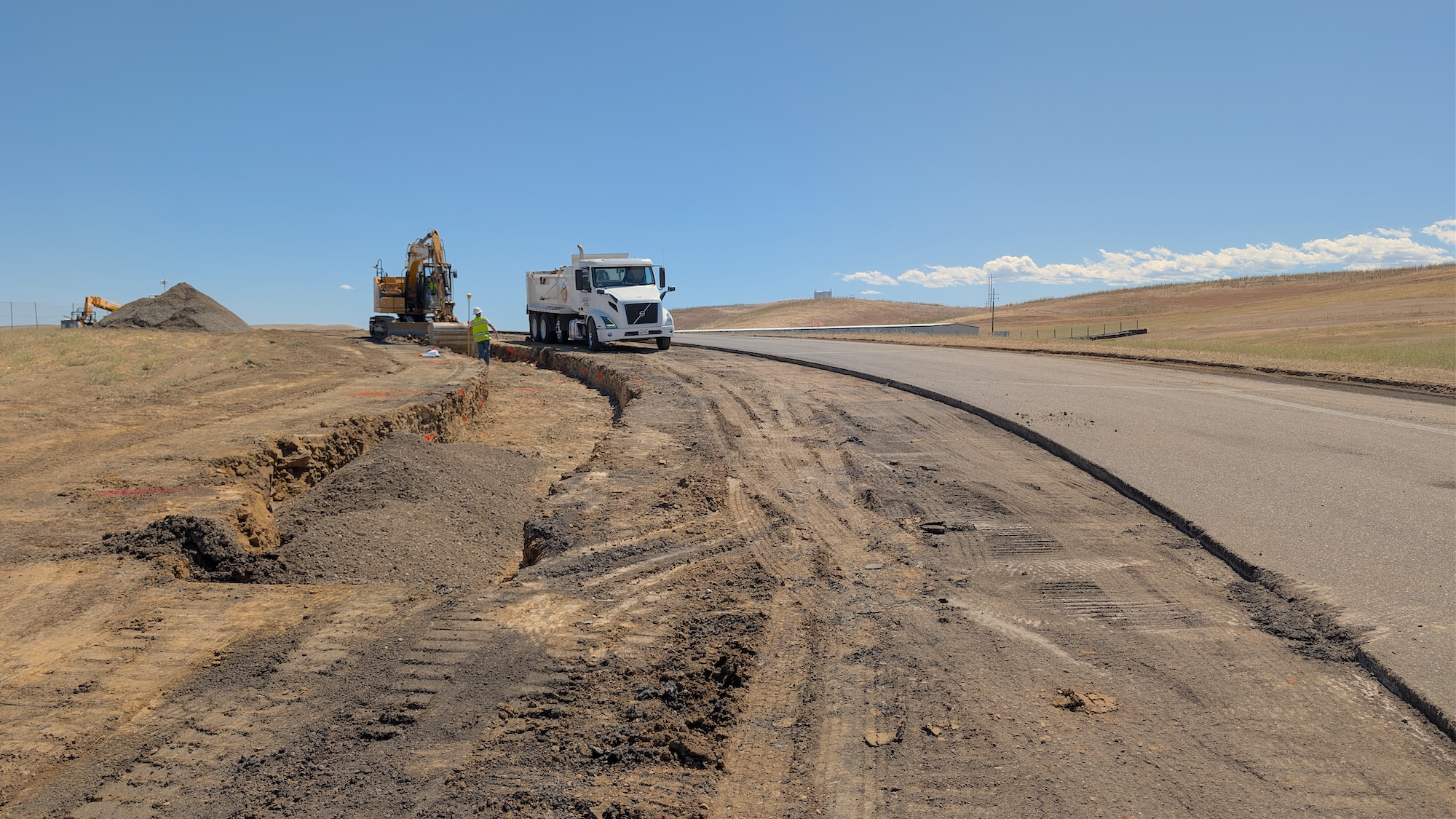
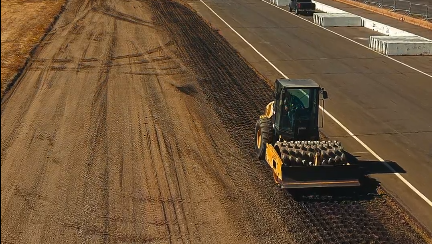
When you're on the track at Thunderhill East, you're not just driving on asphalt. You're driving on a foundation that took 18 months to engineer and—in some spots—an entire foot of excavation to get right.
Most people don't think about what's underneath a racetrack. Dirt is dirt, right? Not even close.
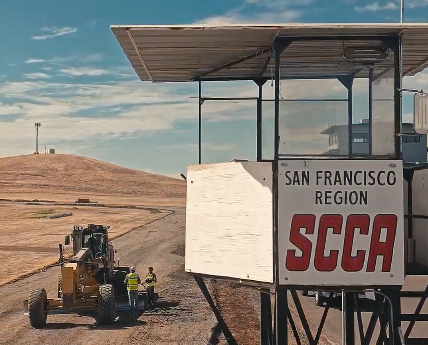
CEO Matt Busby discovered something unsettling during geotechnical testing: certain areas of the track had basically become waterbeds. He could walk out onto turn 14, feel the ground moving beneath his feet, and know immediately that $10 million worth of new asphalt was about to get built on a foundation that couldn't support it.
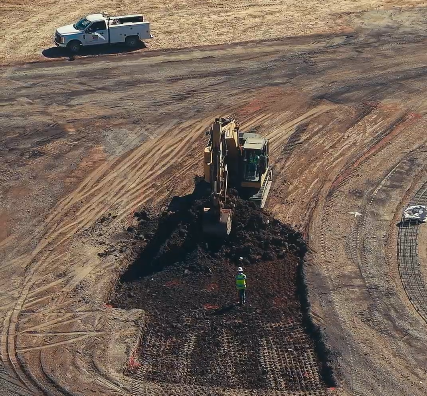
"We haven't touched the sub-base since 1989, 1990," Busby explains. "Over 30 years, NorCal experienced a five-year drought that dried everything out, then swung back to a year with heavy groundwater. Different soils retain moisture at different rates. You end up with parts of the track that are wet all the time and parts that are dry. One sinks, the other moves. That's not sustainable."
The solution? Till up a foot of soil and inject cement-lime treatment to stiffen the entire sub-base. It pushed the project past budget, but skipping it would have meant watching a fresh racetrack develop cracks and movement within months.
Paving a racetrack isn't like paving a road. Thunderhill's specifications are tighter than the FAA's.
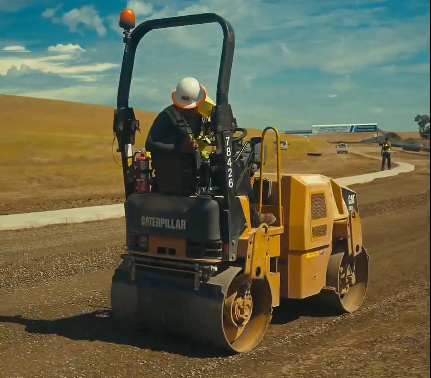
The track is built in three lifts: a two-inch base layer designed to absorb ground movement, a 1.5-inch leveling layer, and a 1.5-inch wearing surface engineered for shear load. Each lift uses a different asphalt mix tuned for its specific job. The binder alone—the sticky stuff that holds the rock together—costs $1,000 per ton.
And there's an eighth-inch tolerance requirement across 250 feet. Think about that: if you're off by the thickness of a sheet of paper over a quarter of a football field, it shows up everywhere. Every bump gets transferred to every layer above it.
Between pit lane and the front straight, there used to be a strip of grass that turned to dirt, then rock—and ended up in people's tires. It's gone now, paved over. Problem solved, but nobody will credit the repave for it.
The same applies to drainage at turns 4 and 6. Hours of engineering, thousands of dollars, all of it buried. The only thing people will notice is that water doesn't pool anymore. That's the point.
Curb erosion is another invisible battle. When Miatas consistently miss the exit and dig wheels into the dirt, ruts form. Eventually you're catching control arms and chunking tires. Thunderhill spent serious energy engineering slopes and soil conditions so those ruts don't happen as fast. You won't notice it until you realize the track doesn't need maintenance every other day.
Thunderhill is targeting 20 to 25 years of service life from this surface before another repave is needed. But this isn't just about asphalt. It's about what the track says about itself.
"If we're going to compete with golf courses, FanDuel, all the different opportunities people have to spend their disposable time and income, then people are only going to take us as seriously as we take ourselves," Busby says.
The $10 million investment—not a $3 million mill-and-overlay—tells customers and racers that Thunderhill takes this seriously. That this is a product worth caring about. That the foundation matters, even when nobody's looking.
Especially when nobody's looking.
Be first on the grid — get event updates and early access.
At Thunderhill, we’ve been delivering a superior motorsports experience for over 30 years. Our track remains one of the finest, safest, and cleanest road courses in America. Beyond the track, our team continues to set the standard for world-class customer service, exceeding expectations at every turn.


